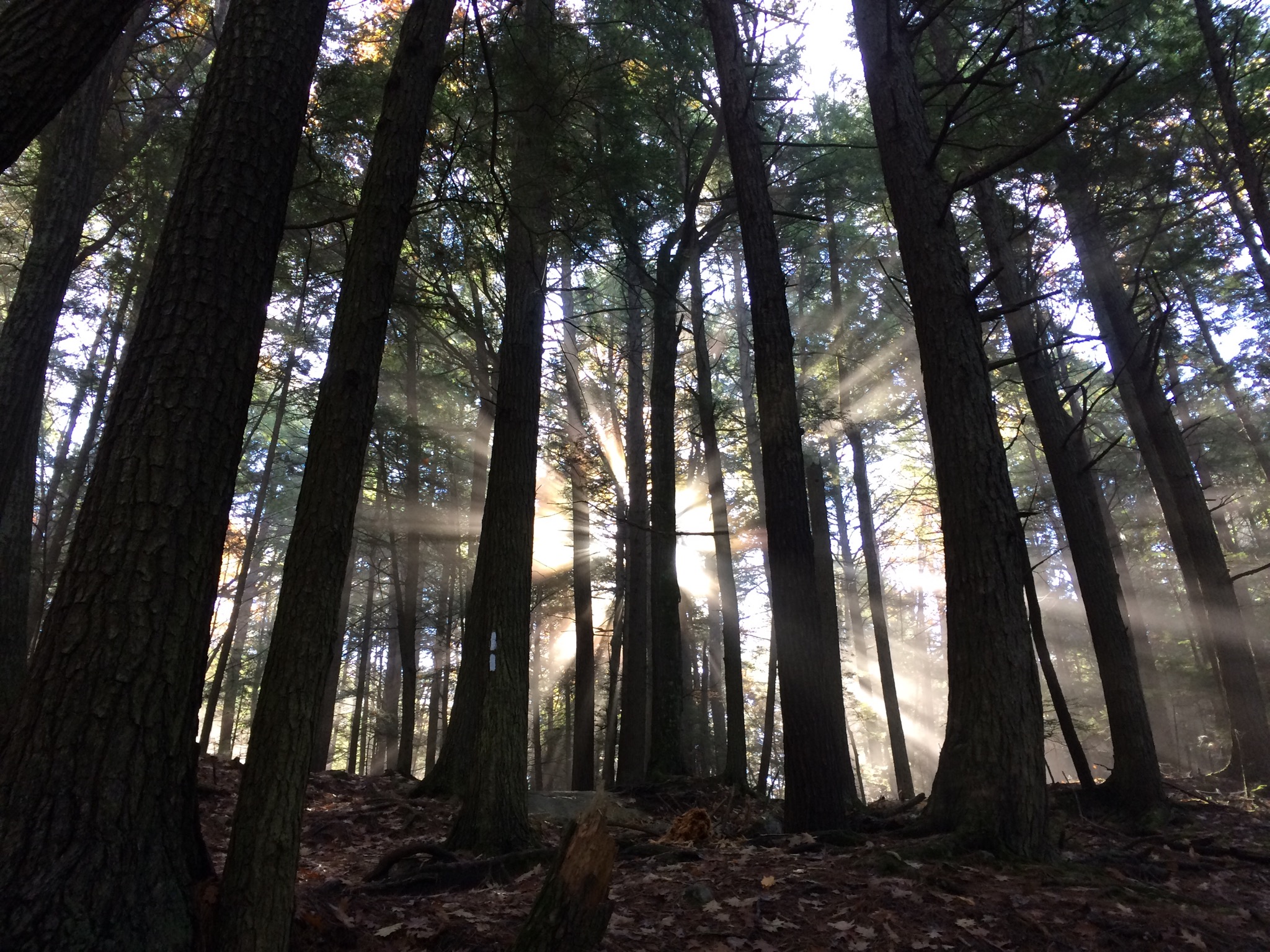
Photographed by Nichole Hastings
Photographed by Nichole Hastings

Photographed by Nichole Hastings
“And so tyranny naturally rises out of democracy, and the most aggravated form of tyranny and slavery out of the most extreme form of liberty.… The people have always some champion whom they set over them and nurse into greatness.… This and no other is the root from which a tyrant springs; when he first appears above ground he is a protector… At first, at the early days of his power, he is full of smiles, and he salutes everyone whom he meets — he to be called a tyrant, who is making promises in public and also in private liberating debtors, and distributing land to the people and his followers, and wanting to be so kind and good to everyone … then he is always stirring up some war or other, in order that the people may require a leader.… Has he not also another object, which is that they may be impoverished by the payment of taxes and thus compelled to devote themselves to their daily wants and therefore less likely to conspire against him?… Thus liberty, getting out of all order and reason, passes into the harshest and bitterest form of slavery.”
“When the tyrant has disposed of foreign enemies by conquest or treaty, and there is nothing to fear from them, then he is always stirring up some war or other, in order that the people may require a leader.”
(Plato, The Republic)
We are all ordinarily in a state of desperation; such is our life; ofttimes it drives us to suicide. To how many, perhaps to most, life is barely tolerable, and if it were not for the fear of death or of dying, what a multitude would immediately commit suicide! But let us hear a strain of music, we are at once advertised of a life which no man had told us of, which no preacher preaches. Suppose I try to describe faithfully the prospect which a strain of music exhibits to me. The field of my life becomes a boundless plain, glorious to tread, with no death nor disappointment at the end of it. All meanness and trivialness disappear. I become adequate to any deed. No particulars survive this expansion; persons do not survive it. In the light of this strain there is no thou nor I. We are actually lifted above ourselves.
[H.D.Thoreau, Journal, 15 January 1857]
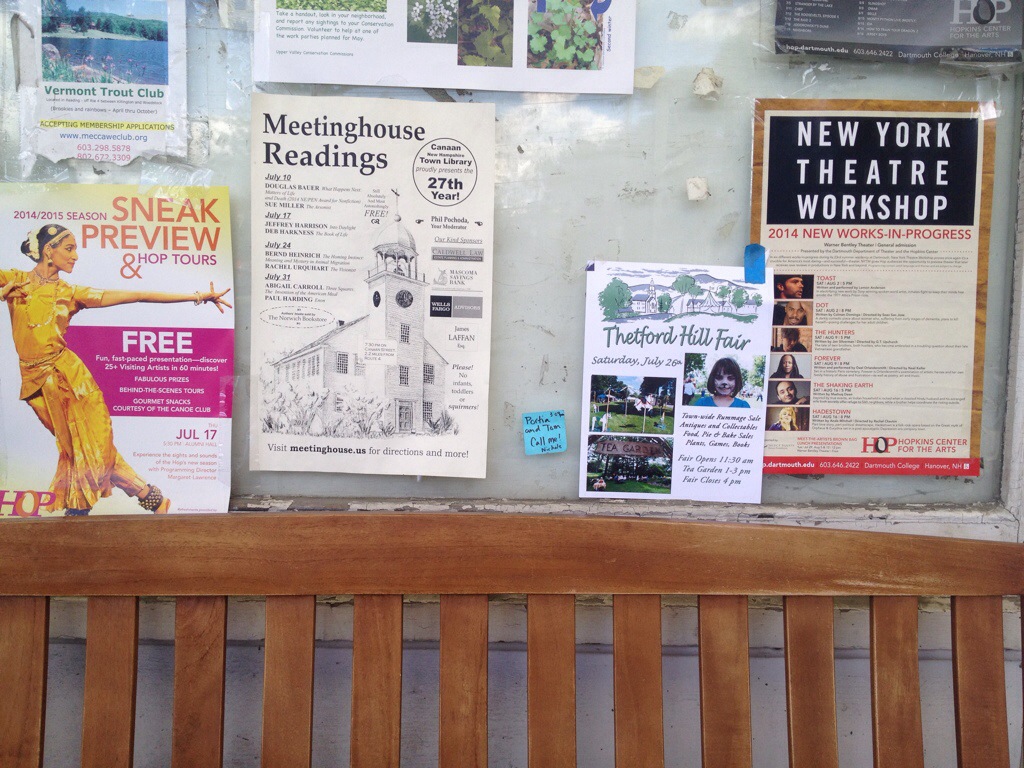
At 3pm, although our plan had been to meet here and they weren’t here, I wasn’t worried. I drove up to the William T and the Happy Hill trailheads to look. Alas, they weren’t there. I left a note. Nor did I hear from them at 5 or 7. But I had left a note. Surely they would be in touch soon. At 9pm, I had an uneasy feeling that something had gone awry…
 ni • ko • ru
You must be logged in to post a comment.